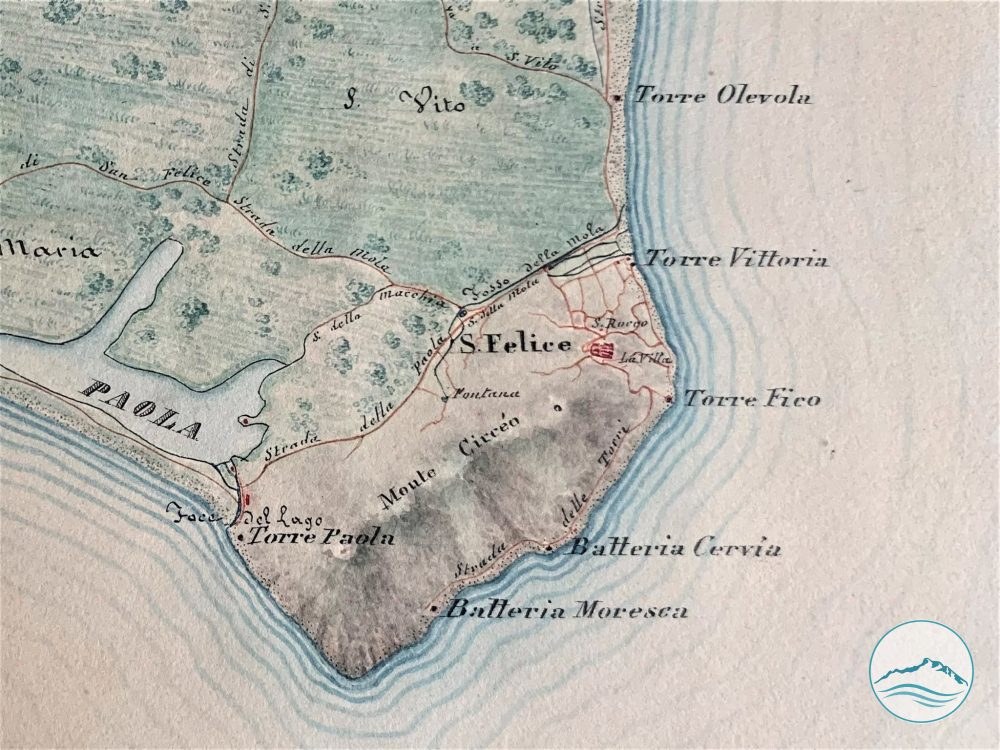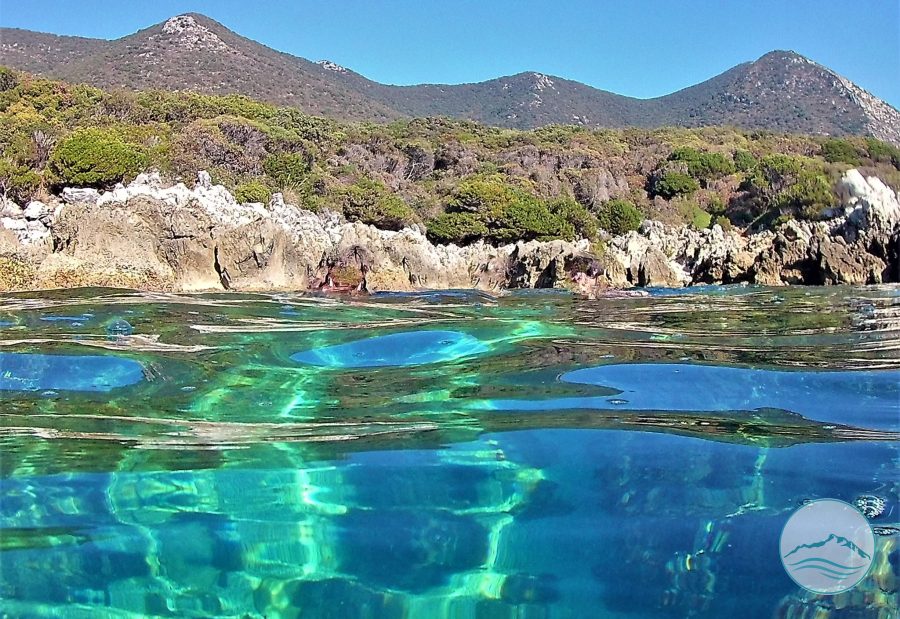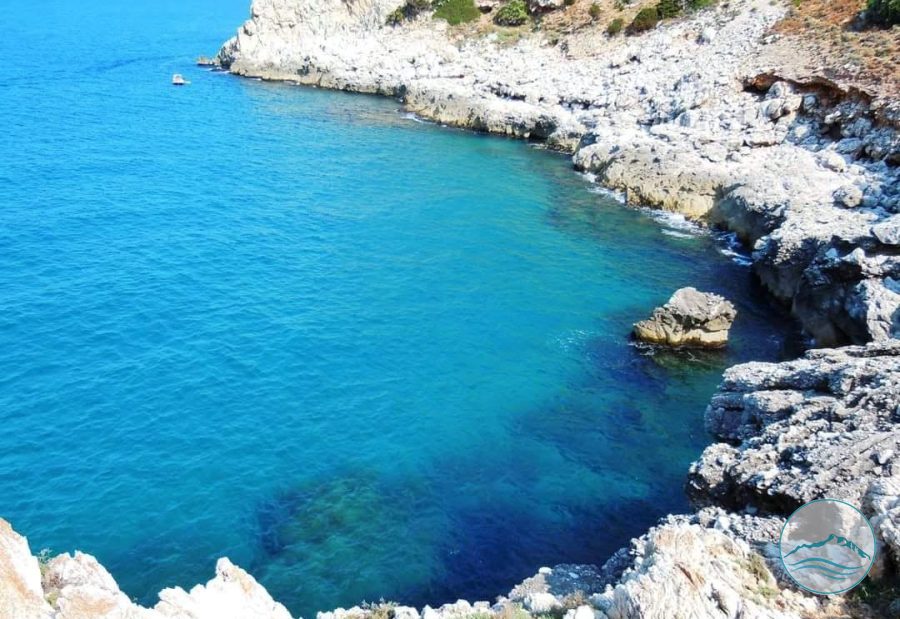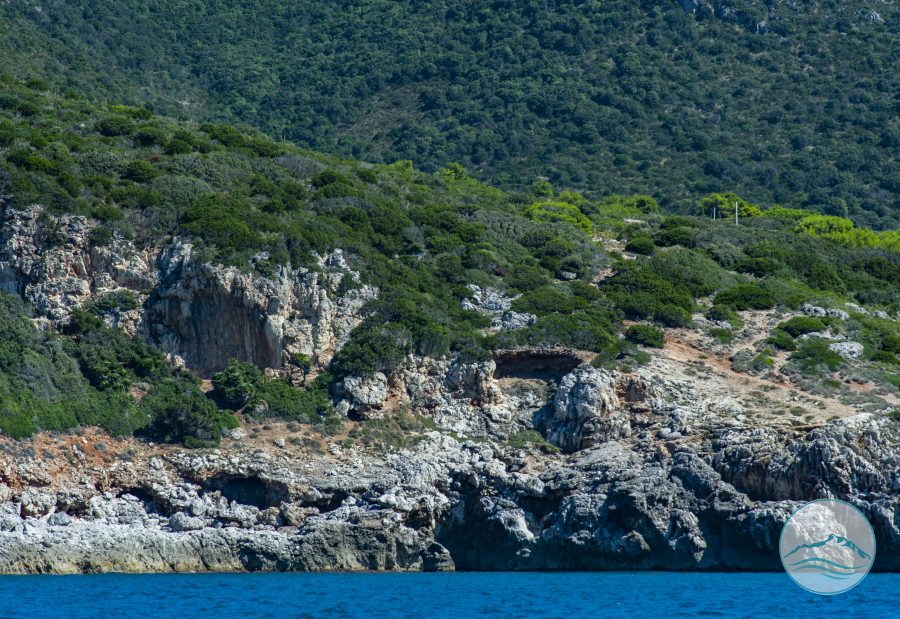
The promontory’s coastal towers, dating from the 15th–16th centuries, had been heavily used in the early 1800s and were by then badly deteriorated and no longer fit for purpose; in May 1809 the towers of Cervia and Moresca were destroyed by the British.
Once Napoleon’s army had conquered the areas formerly belonging to the Papal States, San Felice was immediately recognised as a strategic location: in the part of Italy under French rule, too, changing military needs called for new fortifications in key positions.
In May 1811, after a pirate raid, the French army stationed in Rome sent Monsieur Vincentie of Geneva to San Felice with around 70 soldiers, who built two small forts on the sites of the towers of the same names: the coastal batteries of Cervia and Moresca.
Built during the Napoleonic occupation of the Kingdom of Naples, these structures represent the last major coastal fortification works on the promontory before the modern era.
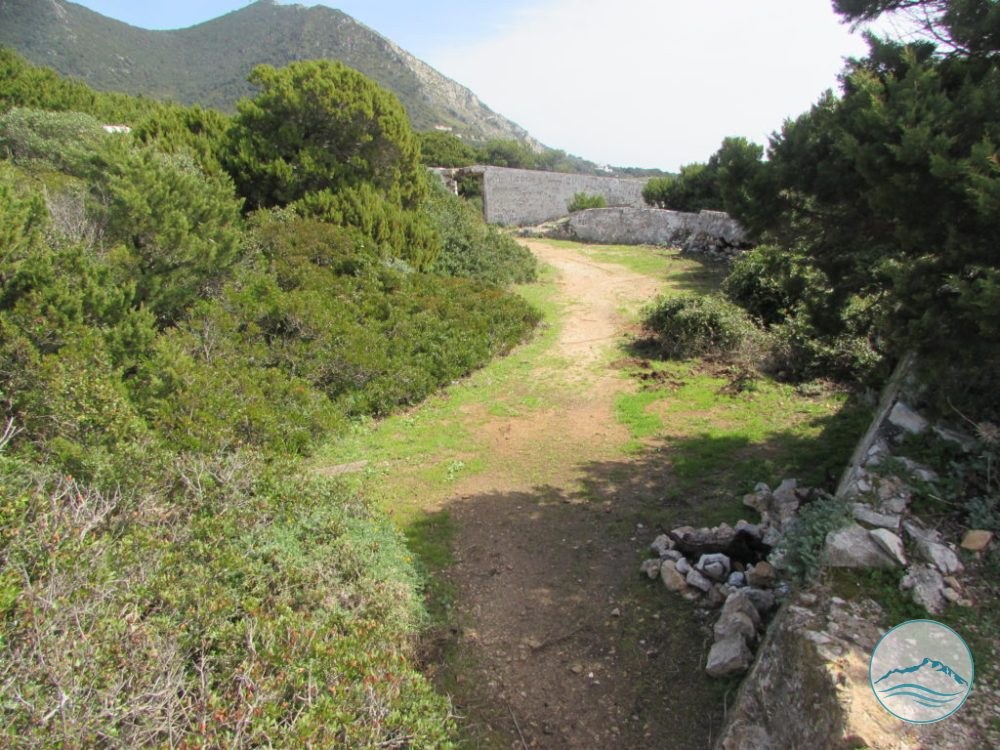
To reach their posts from the village, the soldiers followed a narrow track, the old “Strada delle Torri” (Road of the Towers), whose route corresponds today to Via Grotta delle Capre, a stretch of Via del Faro and Via delle Batterie.
From 1811 to 1814 the pro-French garrison led by Commander Vincentie held out against the Neapolitans, who invaded the Papal States after breaking their alliance with Napoleon.
On 8 February 1814 the enemy forces, arriving from Anzio, landed right at Circeo and set up camp on the Roman acropolis. With the help of the people of San Felice, the French were forced to surrender to avoid a battle, and the Neapolitans held sway only until the following April, after which they left the area for good.
Hastily built, the batteries soon suffered considerable damage and in 1817 they were largely rebuilt.
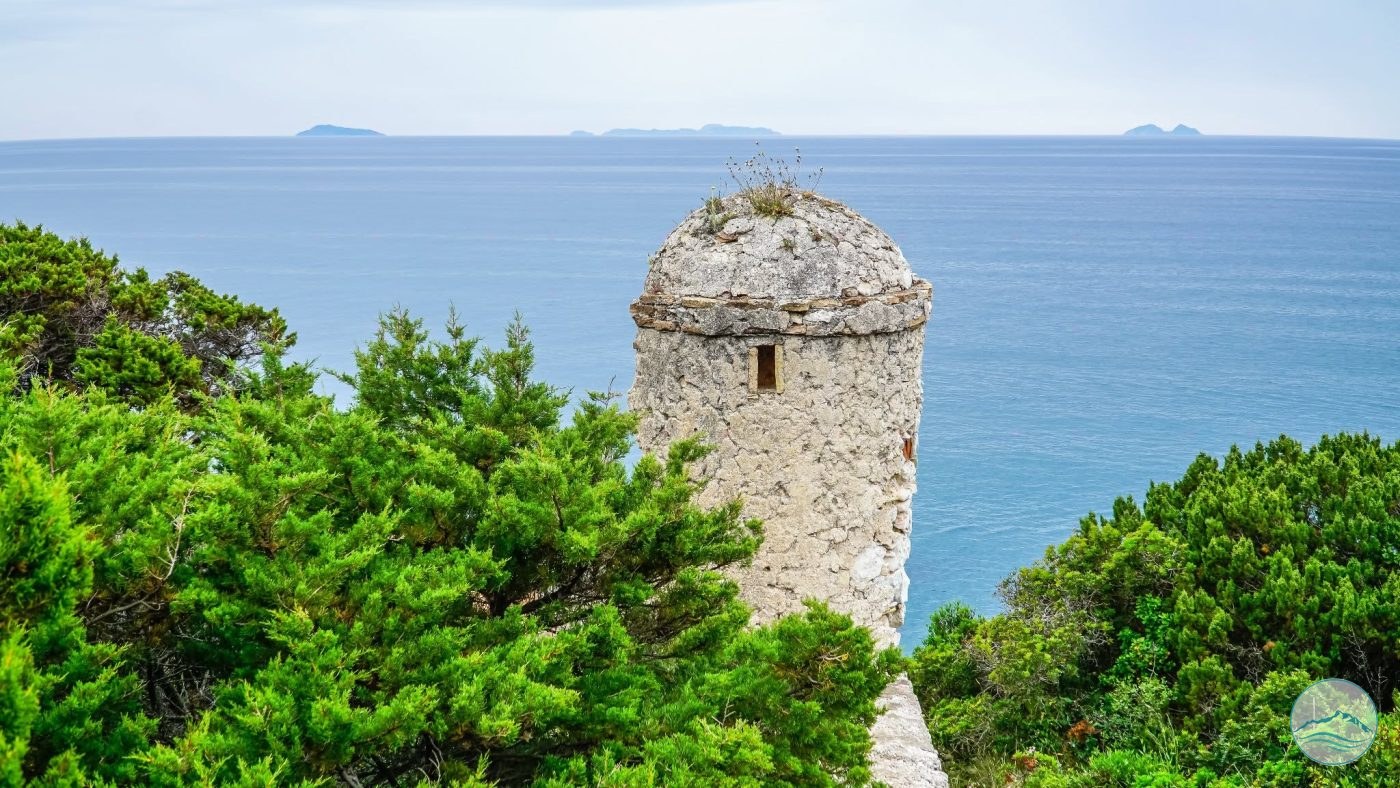
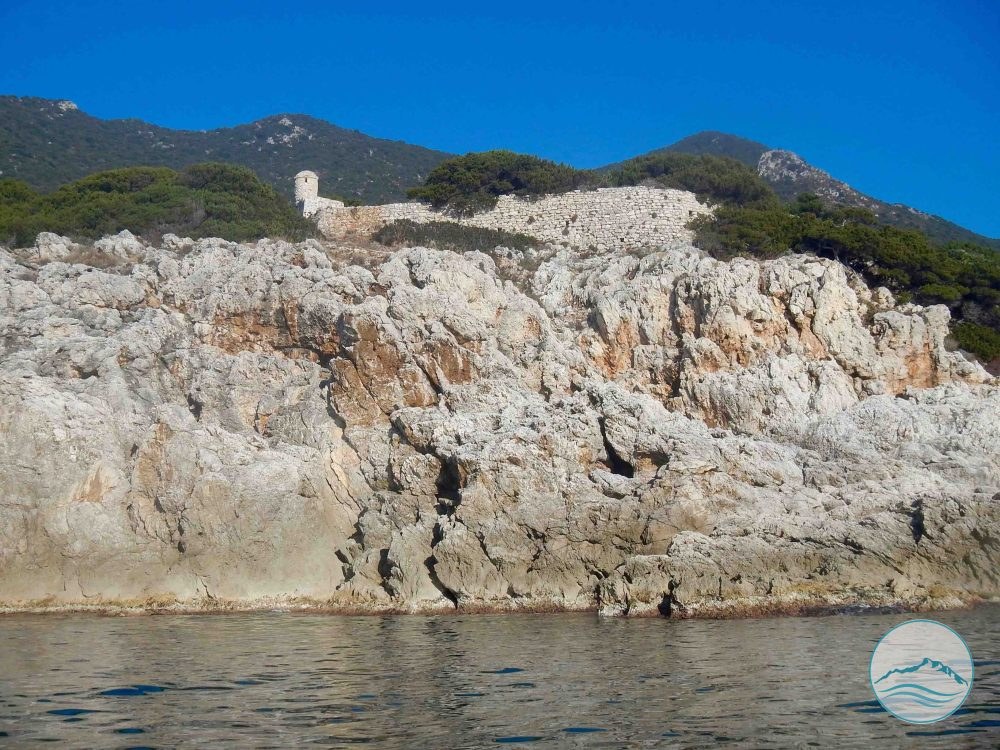
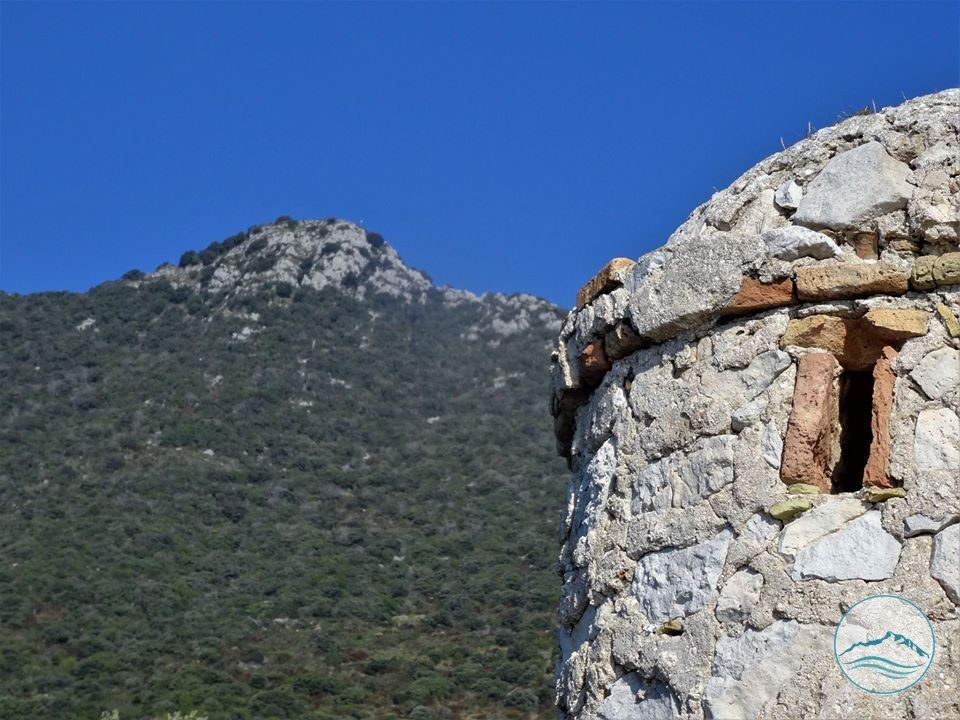
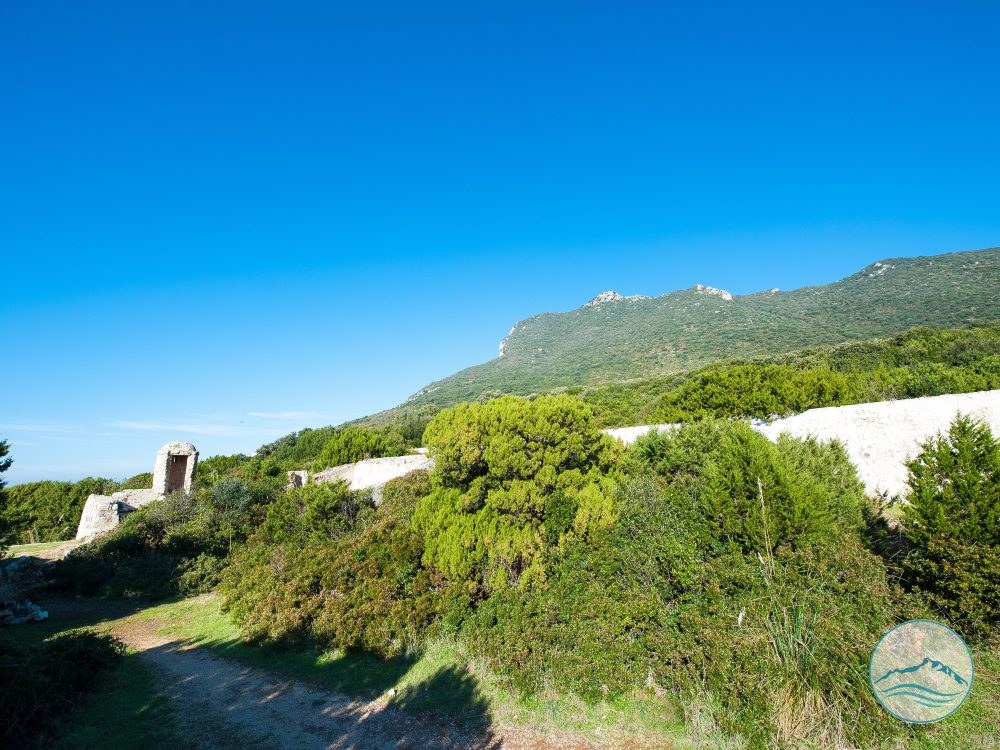
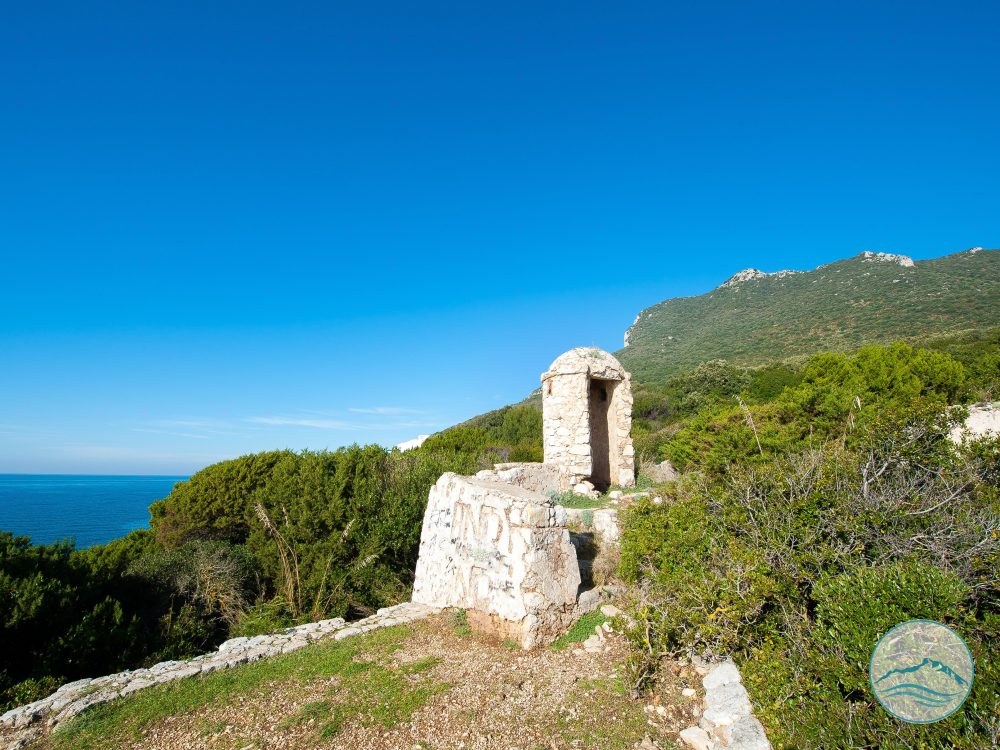
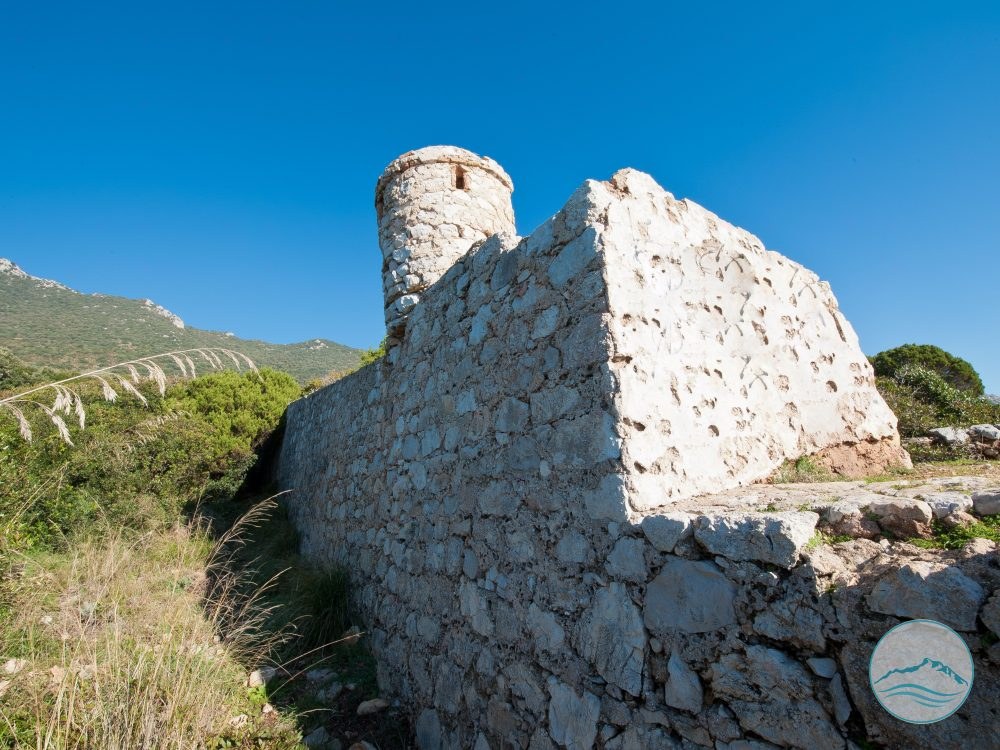
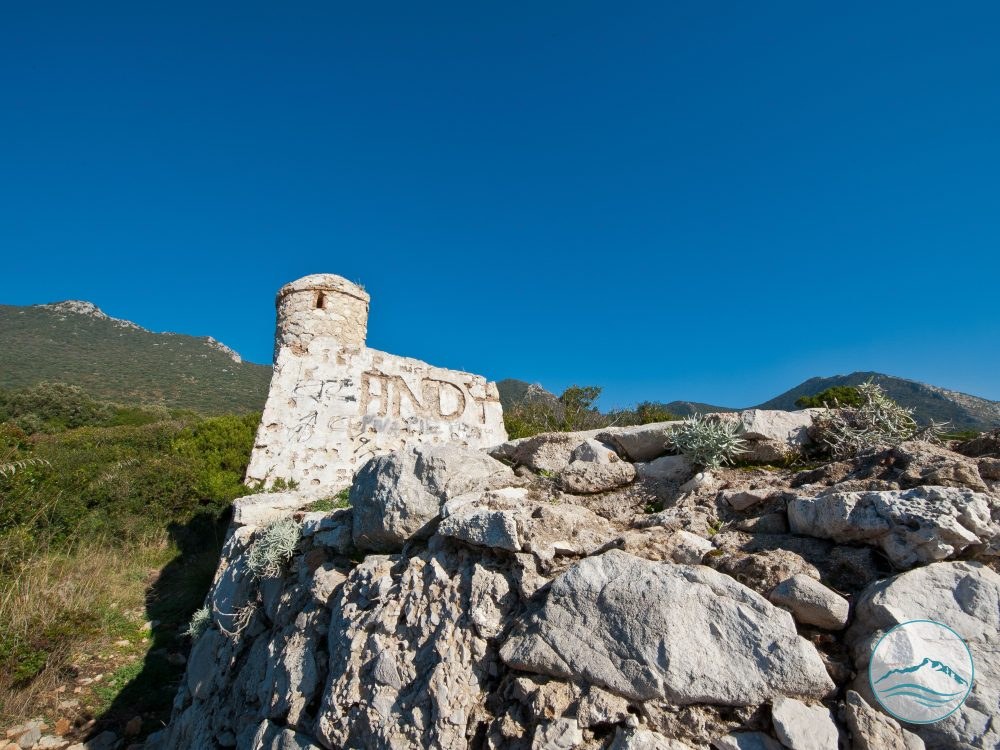
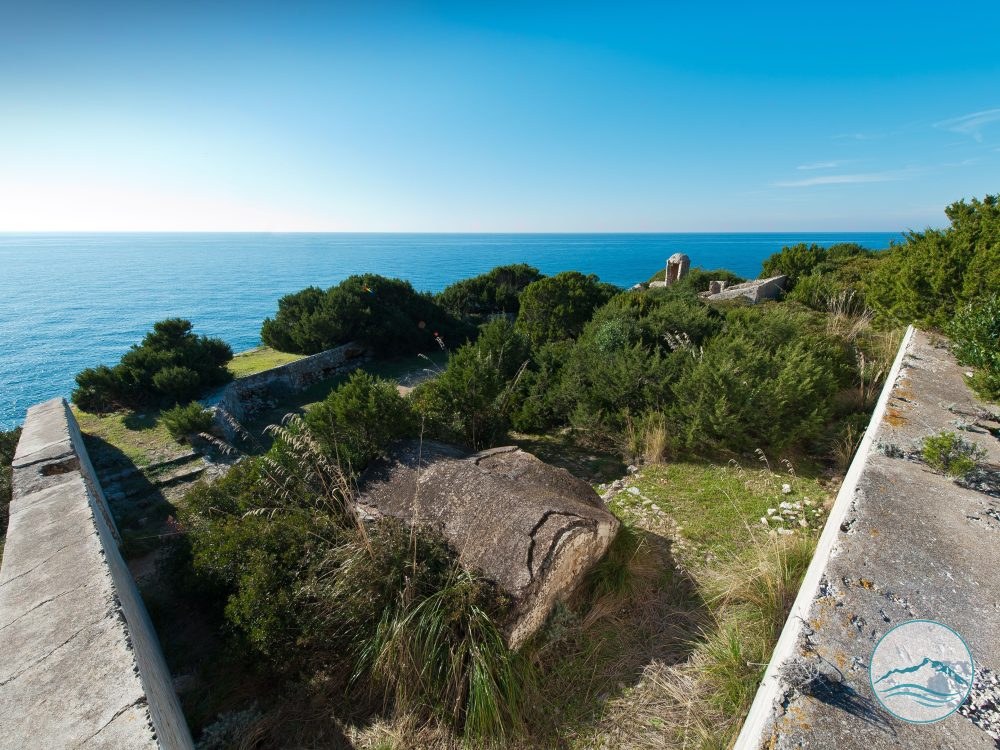
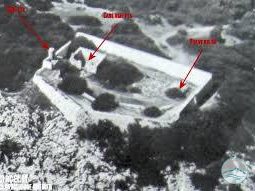
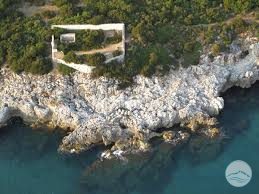
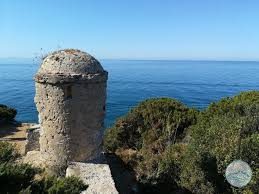
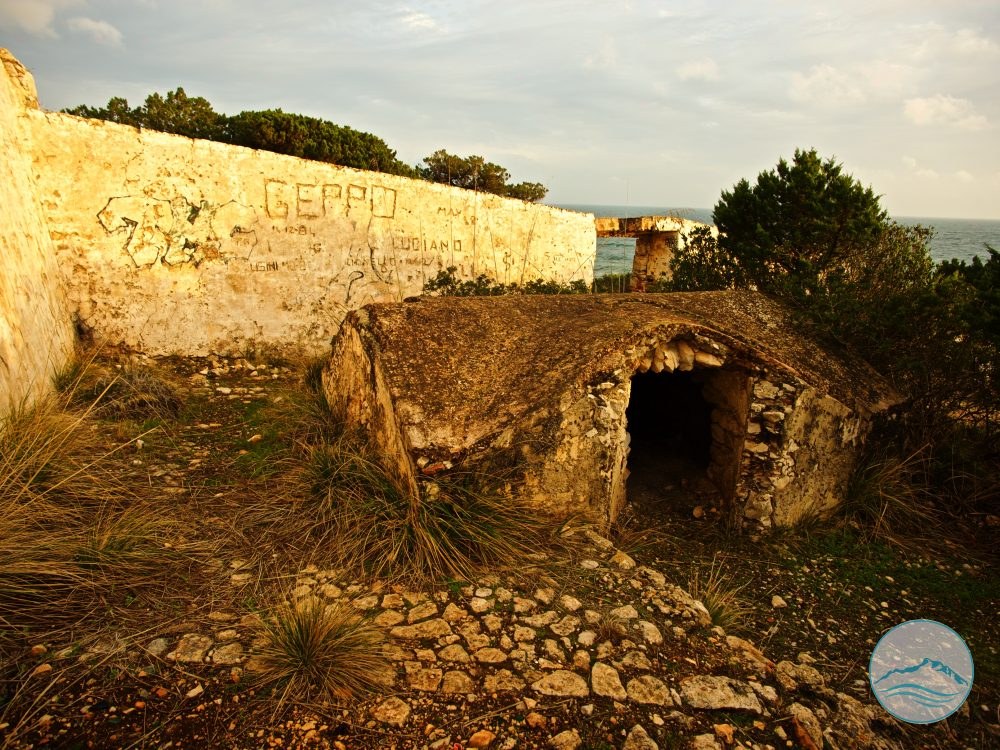
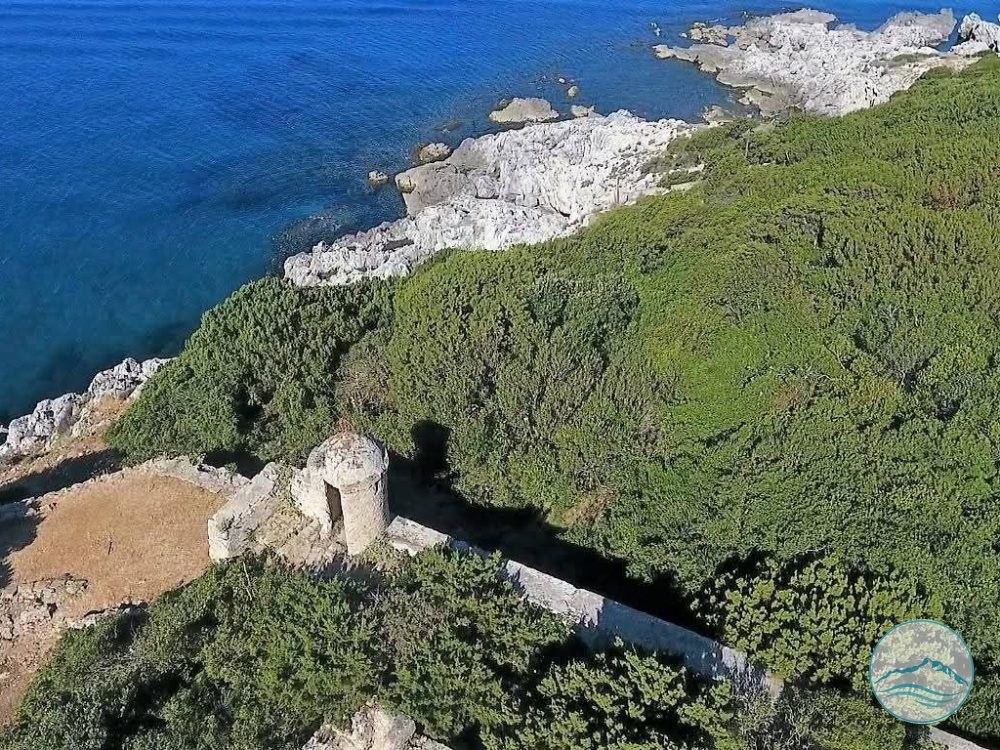
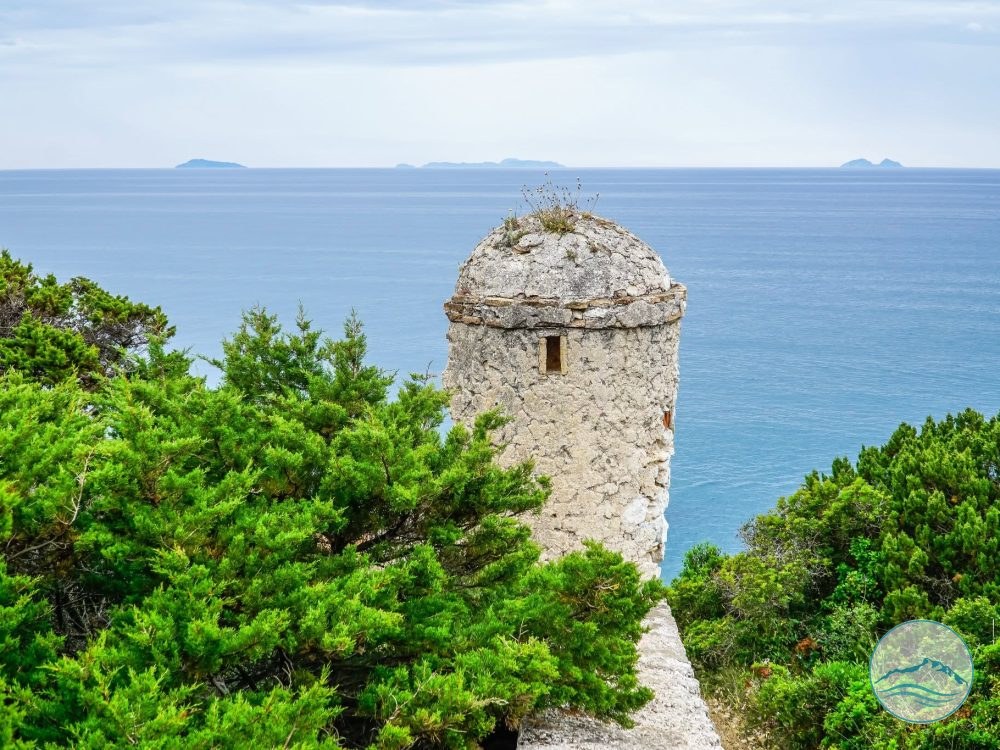
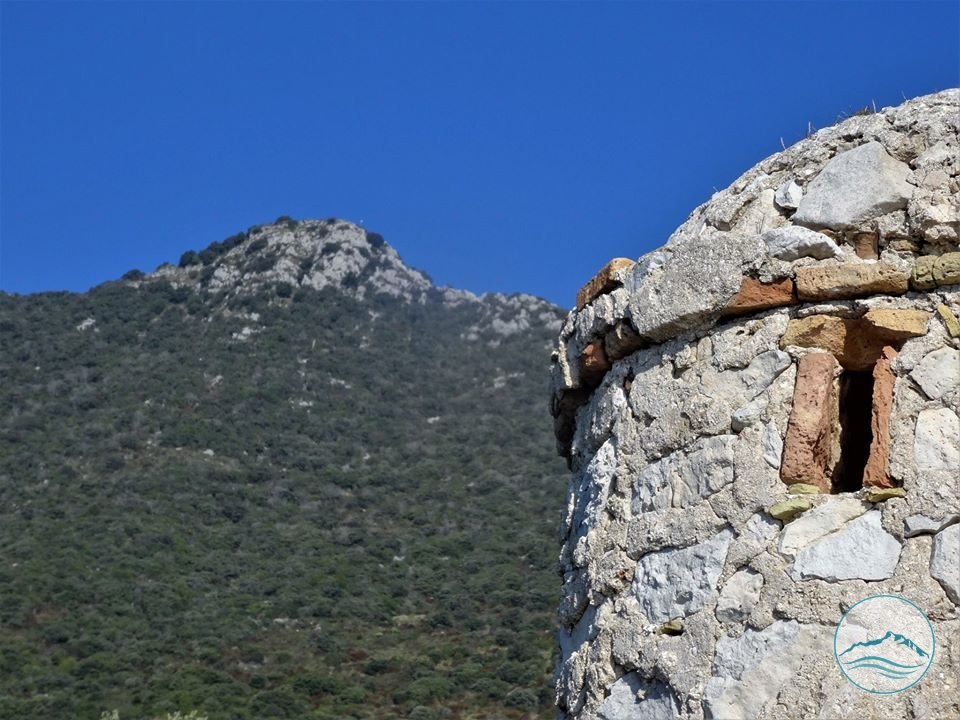
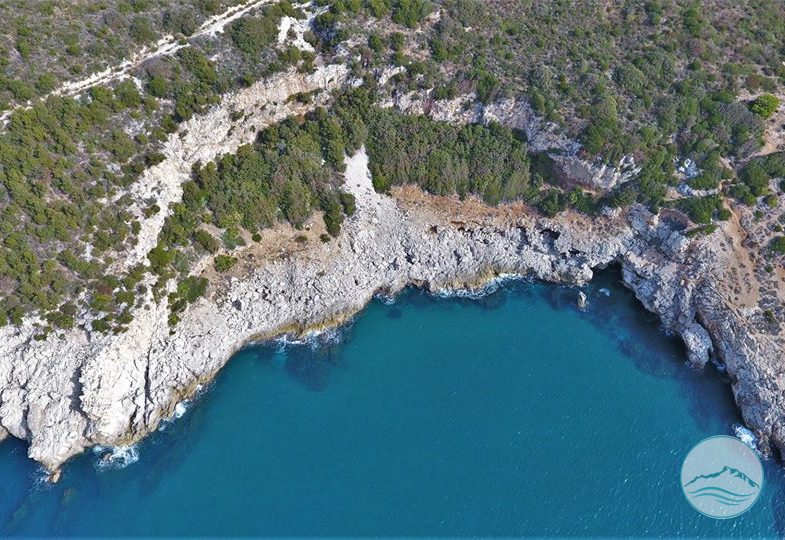
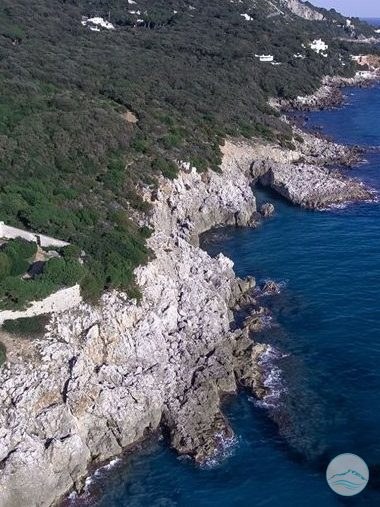
The Batteria Moresca is a large bastion rising above the edge of the cliff: it has a stone enclosure in the shape of an irregular pentagon, two gun emplacements, a sentry box, a small barracks, now roofless, and a large underground ammunition store.
Its twin, the Batteria di Cervia, near the present-day lighthouse, was an irregular hexagon with a signal furnace, two gun emplacements, a sentry box and an ammunition store: no trace of it survives today.
Following a request made in the early 1990s by the “Il Fortino” association, the Ministry for Cultural Heritage and Activities, on the recommendation of the Superintendency for Environmental and Architectural Heritage of Lazio, declared the “Batterie” property of particularly important interest under the Consolidated Act on Cultural Heritage (Legislative Decree 490/1999), placing it under protection.
The protection order, issued in 2001, was entered in the Latina Land Registry in 2005 and is binding on all subsequent owners or holders; the full text of the decree and the accompanying report can be found in the historical notes.
The Fortino stands within the “Parco della Batteria”, the strip of woodland overlooking the cliffs that has been protected since 1956 so that it remains free of buildings and open to all.
Despite this protection, the site is privately owned: the State has recognised its importance, but no public body is responsible for its management or upkeep. The structure is in a state of serious decay and has repeatedly been flagged by local associations as in need of restoration.
Even at the time the protection order was issued, the Superintendency noted that parts of the perimeter wall had collapsed and that the underground store was partially blocked.